
 09124052973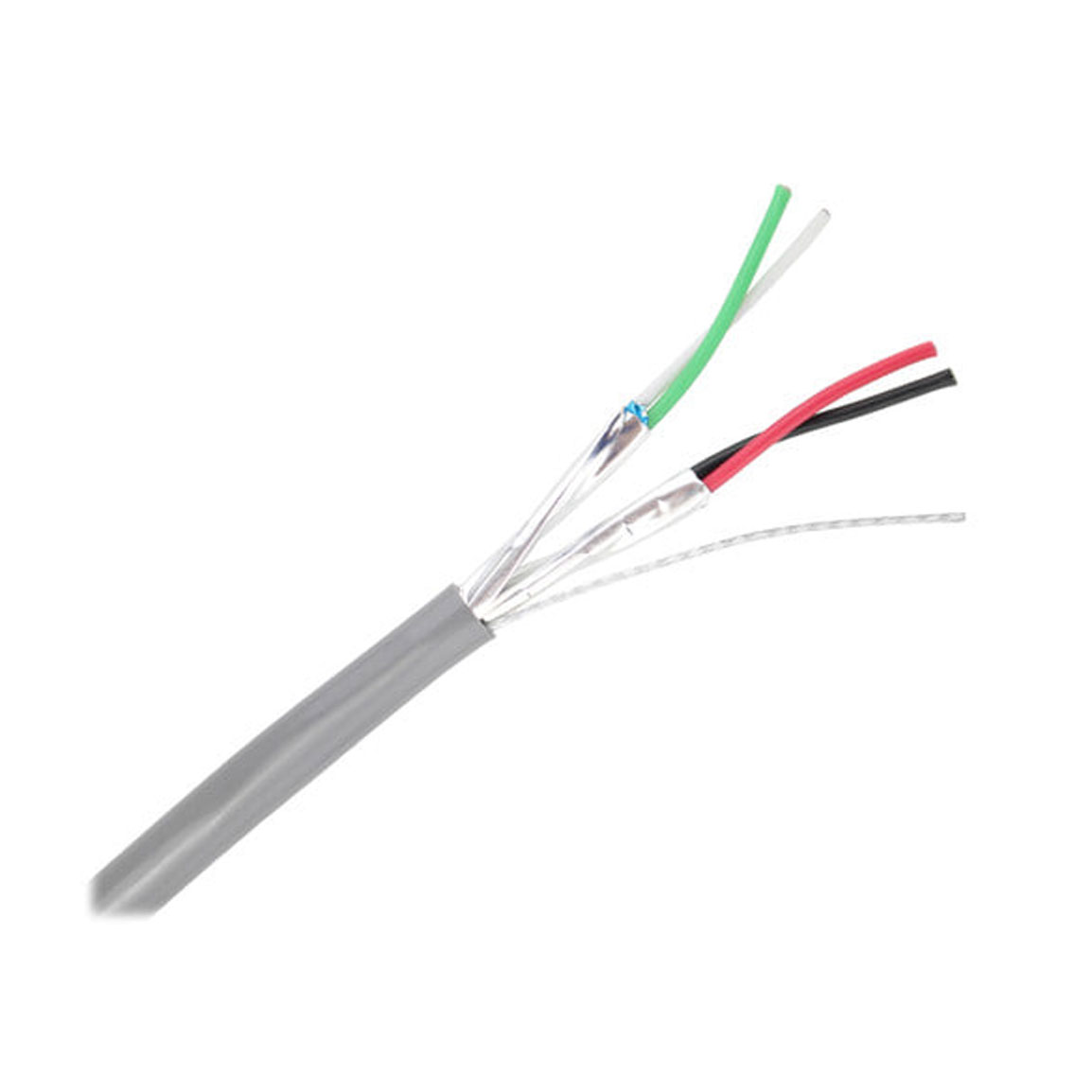
1. Technical Section
Product Name: Noan-A2CCAM Foil-Shielded Aerial Two-Pair Telephone Cable
General Application: Drop/aerial cable for subscriber connections and short-range telephone lines in outdoor environments (installation on poles or aerial routes) requiring shield protection against electromagnetic interference (EMI)
Structure and Materials (Manufacturer-Centric Specifications):
-
Conductor: Aluminum-copper (CCAM), 60/0 stranded (60 very fine strands) — 60/0 chosen for flexibility and reliable terminal connection
-
Reference Conductor Diameter / Cross-Section: Common nominal size ≈ 0.50–0.60 mm; exact cross-section determined per production order
-
Individual Insulation: PE or telecom-grade PVC suitable for aerial use; color-coded per pair for identification
-
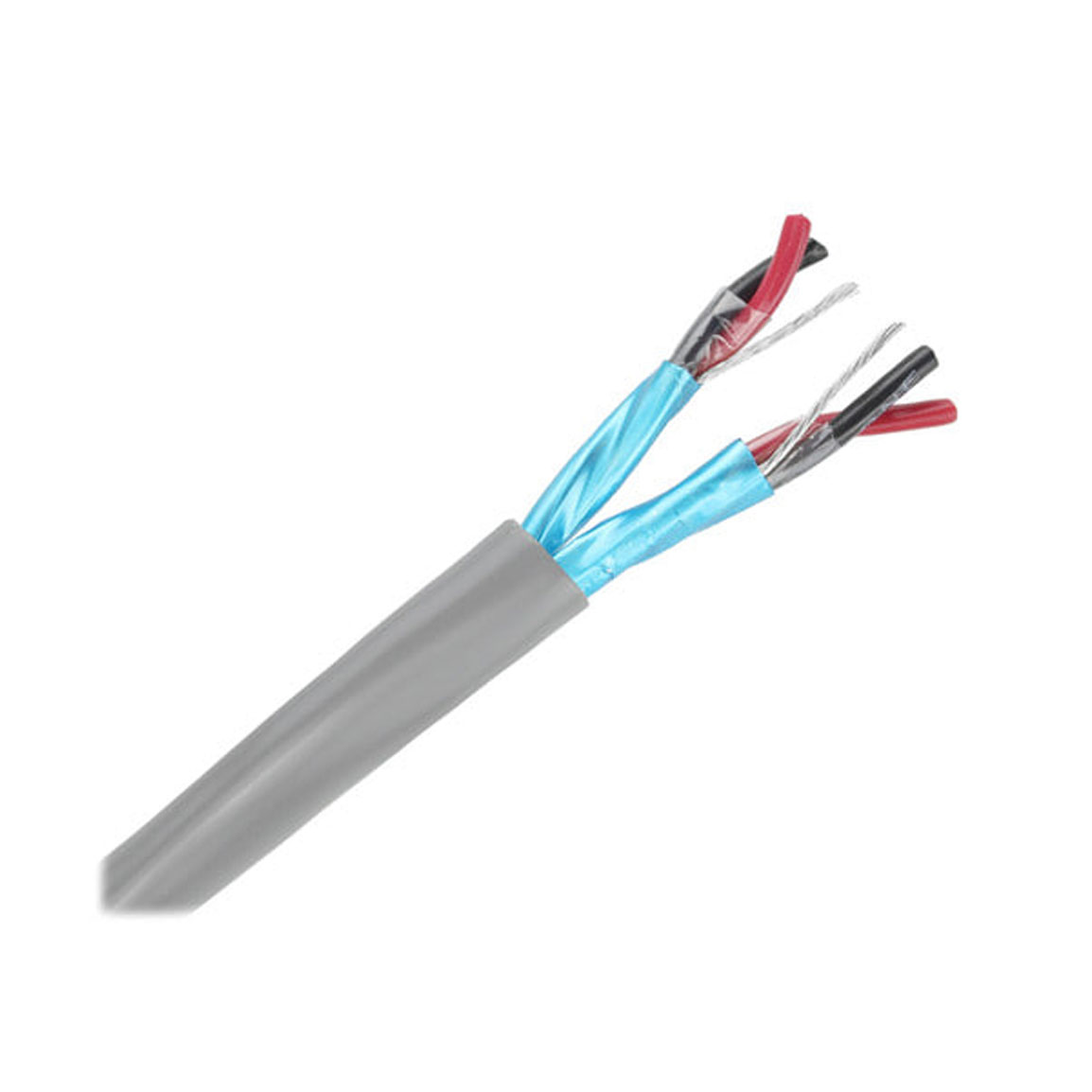
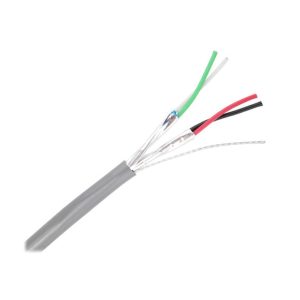
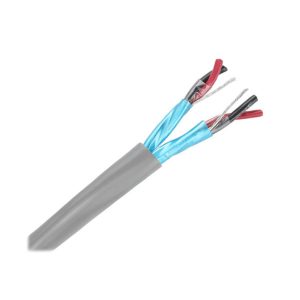
Shield: Laminated aluminum-polyester foil providing 100% coverage around the conductor assembly to eliminate environmental noise and enhance signal safety
-
Drain Wire: Small-diameter copper or tinned copper wire to ground the shield at a single point
-
Outer Jacket: UV-resistant PVC or PVC-PE composite suitable for aerial installation; typical colors are earthy/light brown or black for UV resistance
Electrical and Performance Features (Based on Similar Products / Market References):
-
Conductor resistance depends on final conductor diameter; reference catalogs list ~0.6 mm aerial CU two-pair cables as standard
-
Capacitance and impedance: Two-pair foil-shielded cable does not have standard pair impedance like network twisted pair, but foil reduces EMI and crosstalk; lay length must be designed to minimize internal interference
-
Operating temperature: -20 °C to +60 °C (depending on jacket composition, PVC/PE additives, and installation environment)
-
Quality tests: Insulation resistance, dielectric test (per industrial standards), thermal aging, UV resistance for jacket, mechanical tensile/shock tests on pre-production samples
Dimensions, Packaging, and Production Execution:
-
Typical reel lengths: 250 m or 500 m depending on project needs
-
Packaging: Reel with proper core, identification card with production date, batch number, conductor specifications (60/0 CCAM), insulation type, and shielding
-
Production considerations: Uniform strand count (60) in each conductor, proper adhesion of foil-polyester layer, UV jacket durability tests, and electrical tests for each batch
Field Installation and Maintenance Notes:
-
Install aerially on messenger wire or with spacers/clips according to instructions; observe maximum allowable tension during installation
-
Ground the shield at a single point to prevent ground loops
-
Test insulation resistance and line performance (call room / line sensor) after installation
-
Protect the jacket at pole crossings or mechanical contact points with sleeves to minimize wear
2. Content Section (For Website / Catalog)
Official Title: Noan-A2CCAM Foil-Shielded Aerial Two-Pair Telephone Cable — Full Shield, 60/0 CCAM Conductor, Ideal for Aerial Lines
Product Description:
Noavar Niroo Capital Company has designed and manufactured the Noan-A2CCAM cable for aerial telecommunication applications. This two-pair aerial cable with 60/0 CCAM conductors maintains maximum flexibility and reliable terminal connection. The conductor assembly is fully shielded with laminated aluminum-polyester foil and includes a copper drain wire for grounding. This design protects against environmental EMI and ensures stable signal transmission along aerial routes. The UV-resistant outer jacket provides long-lasting performance in outdoor installations. Ideal for drop lines, subscriber connections, and short urban telephone lines requiring noise protection.
Key Features:
-
Conductor: CCAM, 60/0 stranded
-
Shield: Aluminum-polyester foil with copper drain
-
Insulation: PE/PVC telecom-grade (color-coded per pair)
-
Outer Jacket: UV-resistant PVC (suitable for aerial installation)
-
Application: Drop/aerial lines, subscriber connections, short-to-medium routes
-
Packaging: 250 m reel (customizable)
-
Tests: Insulation resistance, tensile, thermal aging, UV resistance
3. Applications, Advantages, and Comparative Analysis
Applications:
-
Aerial subscriber drop from distribution cable to customer panel
-
Connecting telephone lines and some low-speed data applications in urban or rural aerial routes
-
Locations where rapid installation and lighter weight are preferred over full-copper cables (CCAM provides optimal balance of flexibility and conductivity)
Advantages:
-
Strong protection against environmental noise due to full foil shield and copper drain
-
CCAM conductors provide adequate electrical conductivity with lower weight than pure copper
-
Cost-effective and lightweight for aerial installations compared to armored or full-copper cables
Limitations and Precautions:
-
For very long distances or high EMI conditions, more complex twisted pair designs or secondary shielded/braided cables may be required
-
Proper single-point grounding of the shield is essential; otherwise, protection is reduced
Quick Comparison with Market Alternatives:
-
Compared to unshielded aerial cables: Noan-A2CCAM has significantly lower susceptibility to noise and is better suited for urban environments
-
Compared to full-copper cables: Noan-A2CCAM is lighter and more cost-effective but may require further evaluation under specific conditions
Reference Documents and Sources:
-
General descriptions of aerial telephone cables (Caledonian Cables — drop wires)
-
Datasheets and catalogs illustrating laminated foil shields and shielding features (Halley / Telecommunication cables)
-
International company product examples (Belden, etc.) showing foil-shielded twisted pairs with drain wire construction
-
Standards and quality control guidelines for conductors and shielding (Anixter / instrumentation catalogs)
Reviews
There are no reviews yet.